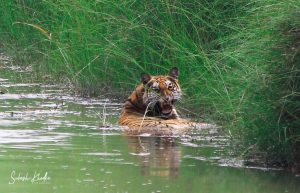
Bardia National Park is located in Nepal and offers a variety of wildlife and natural beauty. The best time to visit Bardia National Park depends on your preferences for weather, wildlife sightings, and activities. Here are the main seasons to consider:
- Autumn (September to November): This is considered the best time to visit Bardia National Park. The weather is pleasant, with warm days and cool nights. During this season, the vegetation is not too dense, making it easier to spot wildlife. You are likely to see a variety of animals, including tigers, elephants, rhinoceroses, and a wide range of bird species. It’s also a great time for jungle treks and river safaris.
- Spring (February to April): Spring is another excellent time to visit Bardia. The weather is mild, and the park comes alive with lush vegetation and blooming flowers. This season offers great opportunities for birdwatching, as migratory birds start to arrive. Wildlife sightings are still good, and it’s a pleasant time for outdoor activities.
- Winter (December to January): The winter months in Bardia are cooler, but they can still be a good time to visit if you prefer milder temperatures. The foliage is less dense, which can improve wildlife visibility. However, keep in mind that mornings and evenings can be quite chilly, so pack accordingly.
- Monsoon (June to August): Monsoon is the least favorable time to visit Bardia National Park. The park receives heavy rainfall during these months, leading to flooded rivers, thick vegetation, and difficult trekking conditions. Many of the park’s facilities may also be closed during this time. Wildlife is more challenging to spot, as animals tend to be scattered in search of water and food.
Ultimately, the best season for your visit to Bardia National Park will depend on your personal preferences and priorities. Autumn and spring are generally recommended for the most pleasant weather and wildlife viewing opportunities, while winter offers cooler temperatures, and the monsoon season should be avoided for a more enjoyable experience.